How Can I Encourage My Baby’s Language Development?

Responsive Parenting
The first months with your baby are filled with a mix of joy, exhaustion and the quiet question of whether you’re doing everything “right.”
One of the biggest uncertainties new parents face is understanding baby language development and knowing how to support it in realistic ways.
You may find yourself watching every coo or babble and wondering what truly helps. Or whether you should be doing more.
It doesn’t require complicated steps or special tools so don't stress. The most powerful strategies happen during your normal daily life.
Especially when you focus on early communication.
In this article we will quickly unpack 5 easy-to-apply strategies to help your baby grow strong communication skills with routine and responsive parenting.
While also easing some of the emotional stress that often comes with navigating the earliest stages of infant communication.
Talk to Your Baby Throughout the Day
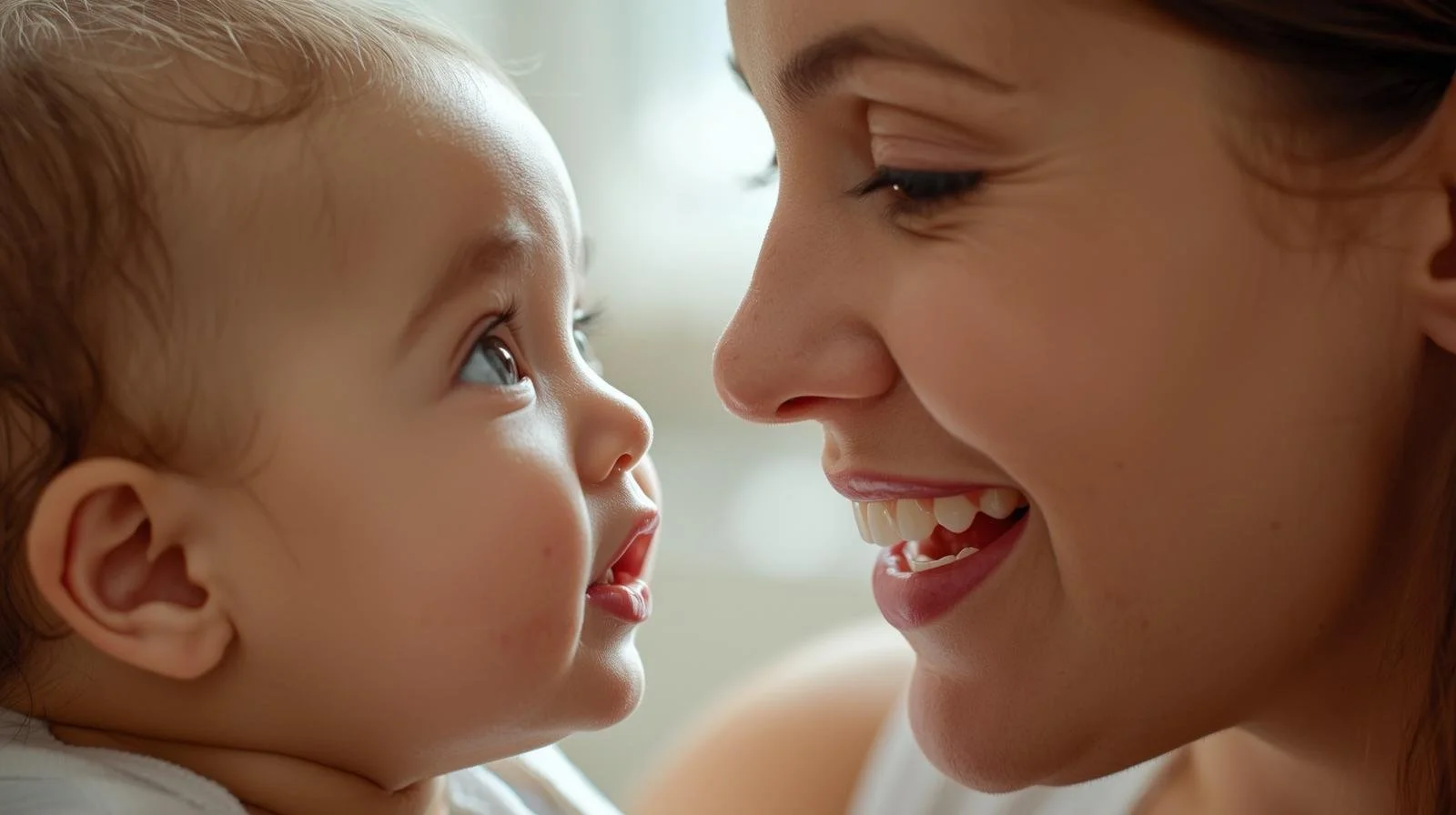
Talking to your baby often is one of the most natural ways to support baby language development.
When you talk to your baby during everyday tasks like feeding, changing or preparing meals, you help them absorb the sounds and rhythms of speech.
In turn building strong early communication pathways.
This ongoing narration helps create a language rich environment that supports the development of speech milestones.
Not only does your voice help reinforce important sound patterns, but it also makes your baby feel included in the world happening around them.
Talking throughout the day also gives your baby repeated exposure to familiar phrases. These moments make your baby more likely to coo or babble in response.
As you talk to your baby, you’re also reinforcing repetition and structure in ways that help your baby understand their world. This adds comfort, predictability and more opportunities to develop.
Practice Responsive Parenting Through Back-and-Forth Conversation
Responsive parenting is a powerful way to help progress smoothly.
When your baby makes any sound, whether it’s a squeal, grunt or coo, responding right away teaches them that communication is a shared process.
This early form of back-and-forth conversation is a cornerstone of early communication. Your responses help shape the pattern of turn-taking that will later support speech milestones.
These playful exchanges build momentum for infant communication by showing your baby that their voice matters.
The more you respond, the more your baby experiments with sounds, strengthening baby language development naturally.
This style of interaction deepens your connection with your baby simply by being present and engaged. Those little sound exchanges also become building blocks for later speaking.
Exactly why responsive parenting is so important for early communication growth.
Reading To Babies
Make Reading to Babies an Every Day Habit
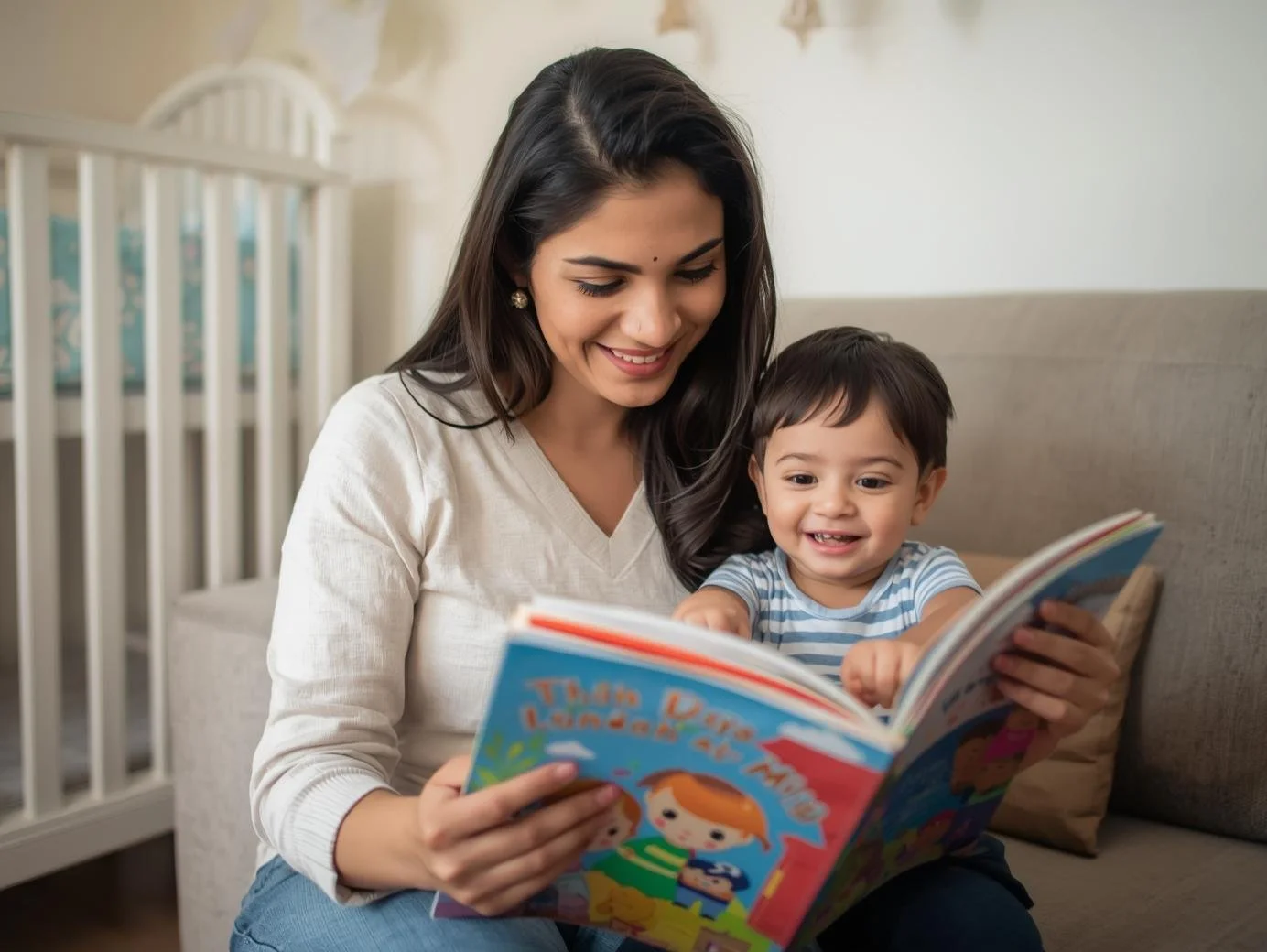
Reading to babies is one of the most effective ways to support baby language development from the very beginning.
Books introduce your baby to new sounds, rhythms and words that they won’t always hear during conversation.
Even simple board books provide huge benefits by creating a language rich environment. This exposure strengthens early communication.
Your baby begins recognizing the patterns that lead to speech milestones later on. Reading also gives your baby predictable opportunities for infant communication.
Whether they smile, wiggle or babble at the pictures, each response reinforces their role in the reading process leaving them wanting more.
Making reading a daily experience helps anchor the learning your baby is already doing throughout the day.
It becomes a warm, consistent moment where your baby receives focused, language-building interactions from their caregiver.
Language Rich Environment
Build a Language Rich Environment Through Simple, Interactive Play
Playtime is one of the easiest and most enjoyable ways to encourage the growth of speech.
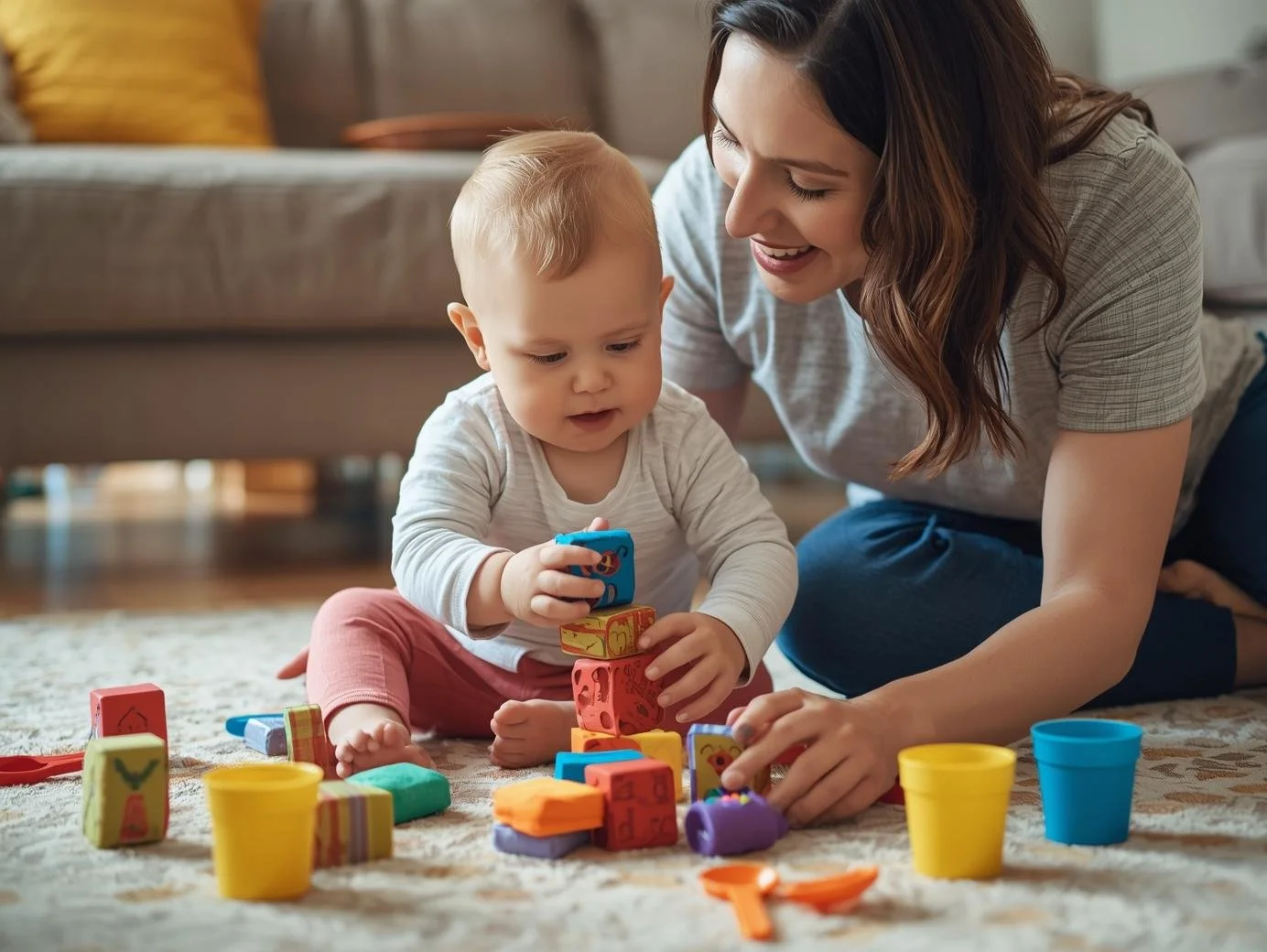
When you describe toys, repeat your baby’s sounds or add playful gestures, you’re giving your baby important early communication practice.
These interactions help strengthen infant communication by pairing words with actions. Encourage your baby to imitate or respond each time.
This helps support speech milestones as your child becomes more familiar with sound patterns and meaning.
Play is also a great opportunity to build a language rich environment without needing special toys.
Everyday items like cups, spoons or fabric blocks become communication tools when paired with repetition and simple explanations.
Through frequent playful exchanges, your baby learns the building blocks of baby language development in a fun, engaging way.
The more your baby sees language connected to joyful experiences, the more naturally their communication skills begin to expand.
Support Infant Communication Through Repetition and Routine Moments
One of the most powerful ways to grow baby language development is to add language to the small, repeated moments of daily life.
Whether it’s meal preparation, bath time or getting dressed, use predictable moments as perfect opportunities to practice.
When you talk to your baby during these repeated routines, you help them learn words by hearing them consistently. Consistency is what moves progress.
Over time, this repetition strengthens the pathways that support speech milestones and helps infant communication thrive.
Routine moments also create a sense of familiarity that encourages participation.
Even small noises or movements often turn into early communication efforts when your baby feels comfortable in the moment.
By pairing language with repeated daily experiences, you create countless opportunities for speech growth without adding anything extra to your schedule.
Talk To Your Baby
Baby Language Development Starts with Small, Everyday Moments
Encouraging speech growth isn't about perfection or pressure.
It's about taking advantage of the simple, loving interactions you already share every day.
Talk often, respond to their sounds, reading to babies regularly, play interactively and reinforce language through routine moments.
You're supporting early communication in a hugely powerful, practical way.
These small efforts build a strong foundation for speech milestones and long-term communication skills.
Every coo, babble and giggle becomes part of a bigger picture of connection, learning and discovery. You ready?
3 Action Steps To Start Today:
Choose one daily routine and start narrating it out loud to support early communication.
Add 5 minutes of reading to babies each day to strengthen baby language development.
Begin responding intentionally to every coo or babble to encourage more infant communication.
RELATED: Baby’s First Words and Stages of Language Development
