Best Toys and Activities to Promote Cognitive Development in Infants
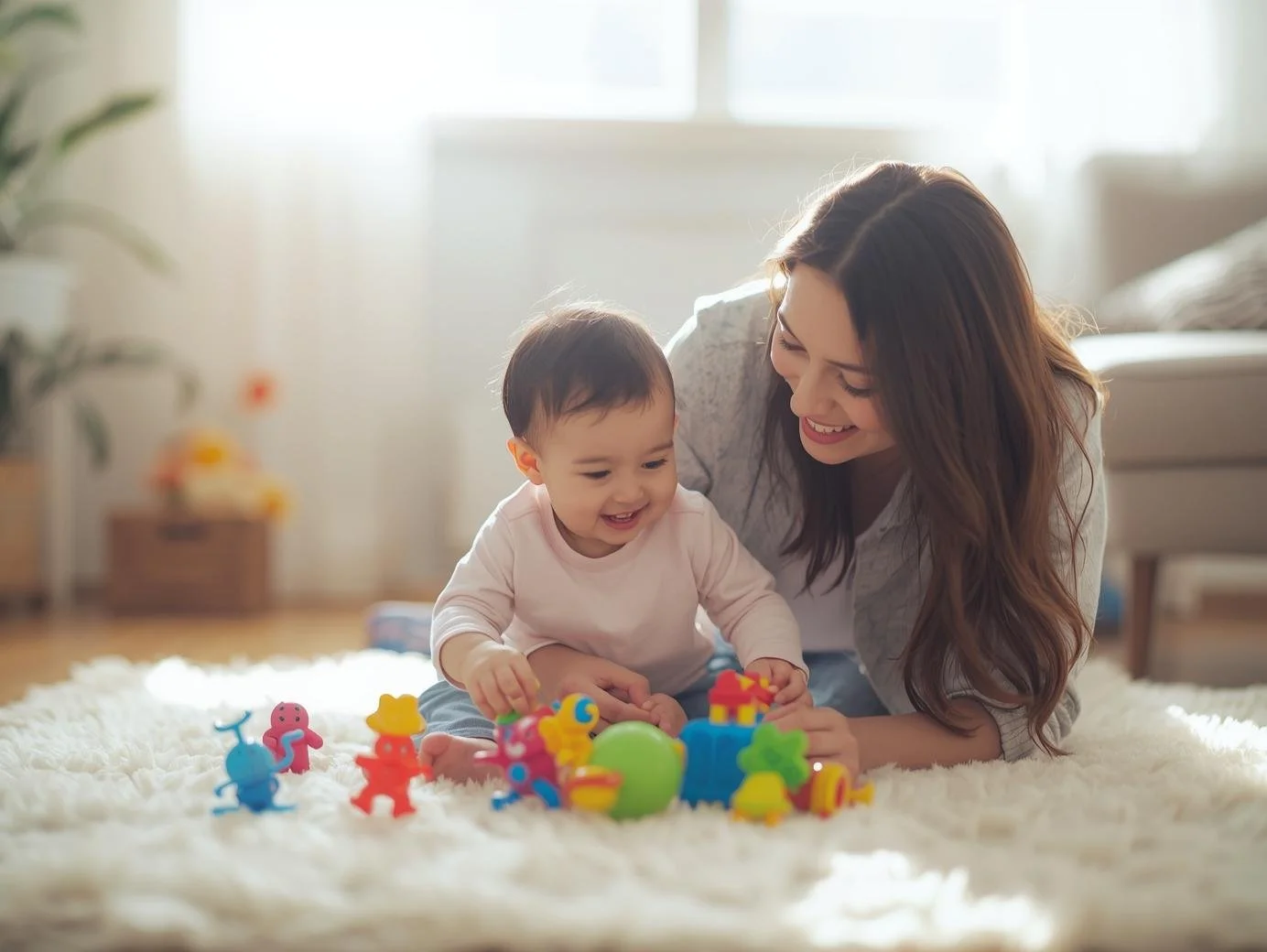
Educational Toys for Babies
You hold a tiny human with a fast growing brain. Every look, sound, and touch shapes baby brain development during the first year.
New parents often feel pressure to choose the best toys for infants while managing sleep loss and self doubt.
This guide offers clear infant learning activities and simple baby play ideas that support infant cognitive development without stress.
You will read practical advice, honest parenting pain points, and proven solutions. Each section focuses on educational toys for babies and daily routines that build confidence for both parent and child.
Sensory Play & Early Brain Growth
Sensory play for infants supports baby brain development through touch, sight, and sound.
Research from pediatric associations links sensory play for infants with stronger attention and memory skills.
Soft books, textured balls, and safe mirrors rank among the best toys for infants.
These educational toys for babies offer contrast, texture, and movement, which support infant cognitive development.
Many parents worry about overstimulation. Choose one sensory play for infants option at a time and observe calm focus as a positive sign.
Simple baby play ideas work best during short windows. Five minutes of sensory play for infants paired with warm parent child interaction builds trust and learning.

Infant Learning Activities
Tummy Time & Problem Solving Skills
Tummy time activities support physical strength and infant cognitive development together.
Health data links daily tummy time activities with stronger neck control and spatial awareness.
Place early learning toys within reach during tummy time activities. This setup encourages reaching, focus, and early problem solving tied to baby brain development.
New parents often struggle with resistance during tummy time activities. Begin with short sessions and join them on the floor to strengthen parent child interaction.
Consistent tummy time activities support developmental milestones such as rolling and crawling. These milestones connect movement with learning through cause and effect.
Parent Led Play & Emotional Security
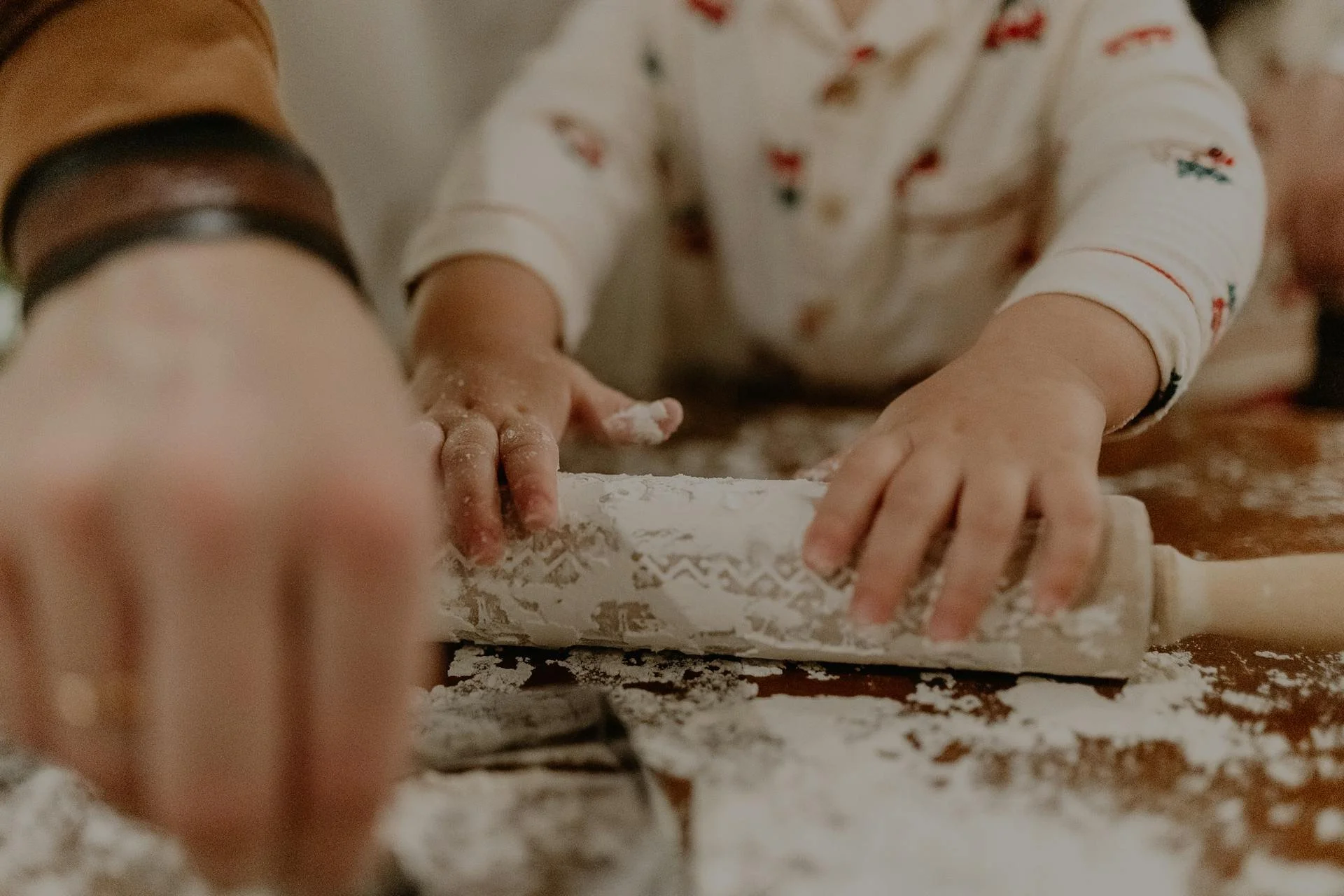
Parent child interaction drives infant learning activities more than any single toy. Studies show responsive talk and eye contact boost infant cognitive development.
Narrate daily routines out loud using clear language. This habit supports baby brain development and early language patterns.
Use educational toys for babies as shared tools rather than distractions. Point, name objects, and pause for responses to engage in communication.
Emotional fatigue affects many caregivers. Simple parent child interaction during feeding or diaper changes offers learning without extra effort.
Simple Toys & Focused Attention
Early learning toys with one clear function improve focus. Stacking cups and shape sorters count among the best toys for infants for this reason.
These early learning toys support problem solving tied to developmental milestones. Repetition strengthens baby brain development through practice.
Parents often feel tempted to buy complex gadgets. Research favors simple educational toys for babies over electronic options for infant cognitive development.
Rotate early learning toys weekly. This approach keeps infant learning activities fresh while avoiding clutter.

Baby Play Ideas
Use Everyday Routines as Learning Moments
Infant learning activities extend beyond playtime. Bath time, feeding, and walks support sensory play for infants and language growth.
Name actions and objects verbally during everyday routines. This method supports vocabulary tied to developmental milestones.
New parent tips often overlook routine based learning. Daily habits offer reliable infant learning activities without planning stress.
Baby play ideas during routines strengthen parent child interaction. Consistency builds trust and attention.
Clear Benefits Across All Activities
The best toys for infants promote curiosity and calm focus. These tools support infant cognitive development during critical growth windows.
Educational toys for babies paired with parent child interaction show higher learning outcomes. Data links shared play with stronger emotional regulation.
Sensory play for infants improves processing skills. Tummy time activities support both movement and thinking.
Early learning toys encourage independence. Simple baby play ideas reduce overwhelm for caregivers.
The more expensive the toy, doesn’t mean the faster the child will learn.
Parent Child Interaction
Practical Solutions for Common Pain Points
Many parents fear missing developmental milestones. Tracking milestones through play offers reassurance.
Budget concerns affect toy choices. Household items support infant learning activities as well as store bought options.
Time pressure challenges consistency. Short daily routines support baby brain development without exhaustion.
Confidence grows through repetition. New parent tips focused on progress over perfection reduce stress.
Apply These Action Steps:
Your child learns through everyday moments. The best toys for infants support growth when paired with attention and care.
Infant cognitive development thrives through simple choices and steady routines.
Baby brain development responds to connection more than complexity.
Take 3 easy action steps today:
1. Choose 1 type of sensory play for an activity and repeat daily.
2. Add tummy time activities with early learning toys during calm moments.
3. Focus on parent child interaction during routines and play.
These easy steps support developmental milestones. You and your little one will build great confidence together that will last a lifetime.
RELATED: Baby Toy Safety Tips
