
Babyproofing Your Home: Safety Tips for Every Parent
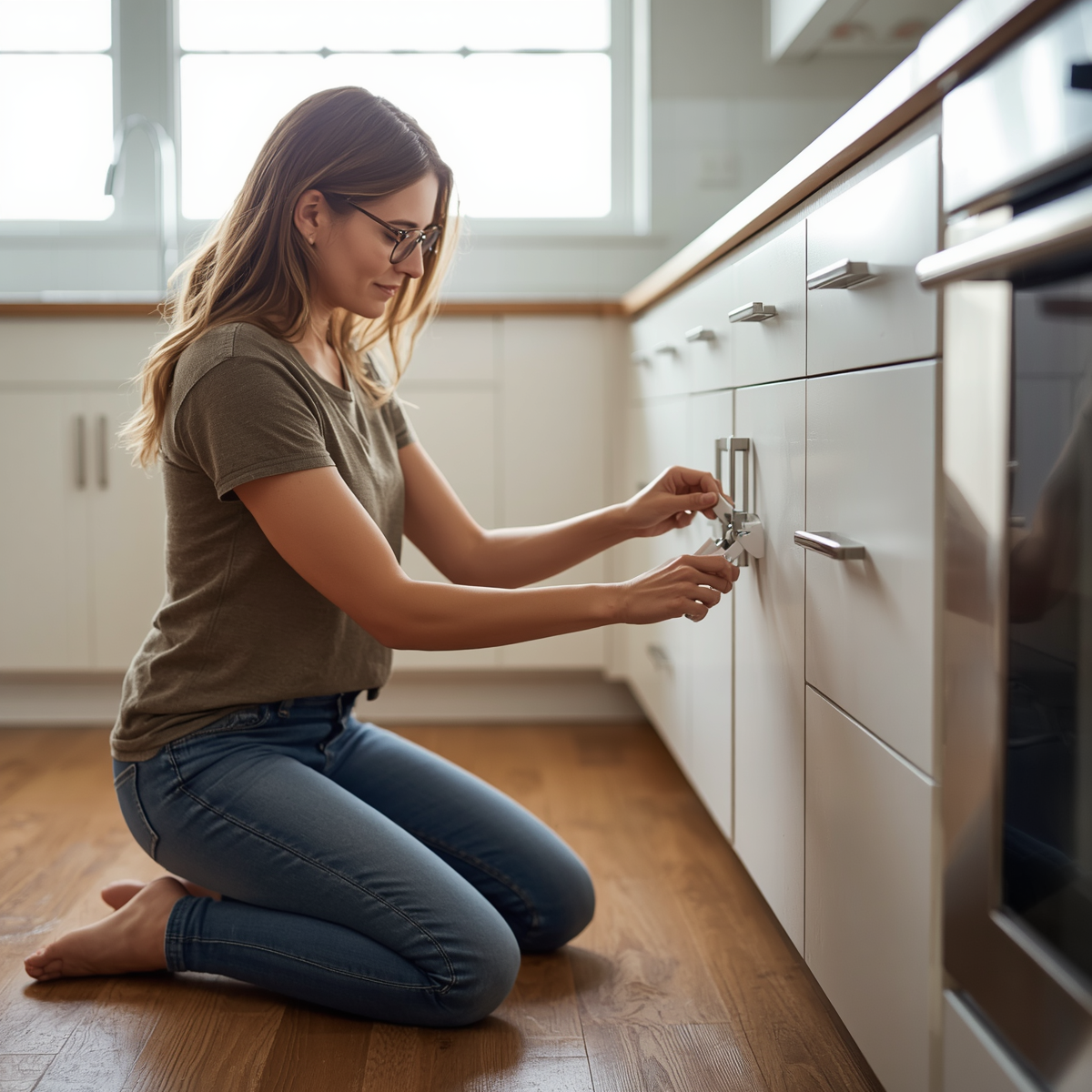
Babyproofing drawers using childproof latches.
The moment your baby starts rolling, crawling, or pulling up, your home transforms.
Everyday items become a safety hazard. Babyproofing your home protects your child from preventable injuries. Giving your tired brain peace of mind.
This guide explains how to babyproof every major area of your house, choose the right babyproofing supplies, build a babyproofing checklist, and create a safe environment for children.
RELATED: 30 Day Gentle Parenting Guide
What is babyproofing?
Babyproofing is identifying and removing hazards inside your home before your baby gets to them. Creating a safe environment for children by securing furniture, covering electrical outlets, locking cabinets and drawers, and storing dangerous items out of reach.
Babyproofing Your Home with a Room-by-Room Plan
Babyproofing your home works best when you inspect every room at your child's eye level. Get down on your hands and knees and look for anything within reach.
Loose cords, heavy furniture, cleaning products, medications, sharp corners, and small objects are all suspect.
It's better to think ahead and prevent accidents from happening in the first place. Rather than just reacting after something goes wrong.
The first step involves securing furniture to the wall. Dressers, bookcases, and televisions tip over more often than realized by many parents.
According to the United States Consumer Product Safety Commission (CPSC),
furniture tip-over injuries send thousands of children to the emergency room every year.
Anchor large furniture with approved hardware and keep tempting objects away from the edges.
Create a simple babyproofing checklist before moving to the next room. Write down hazards, assign priorities, and check each task after completion.
This organized process keeps important safety steps from slipping through the cracks. Future inspections are an easy win for every household.
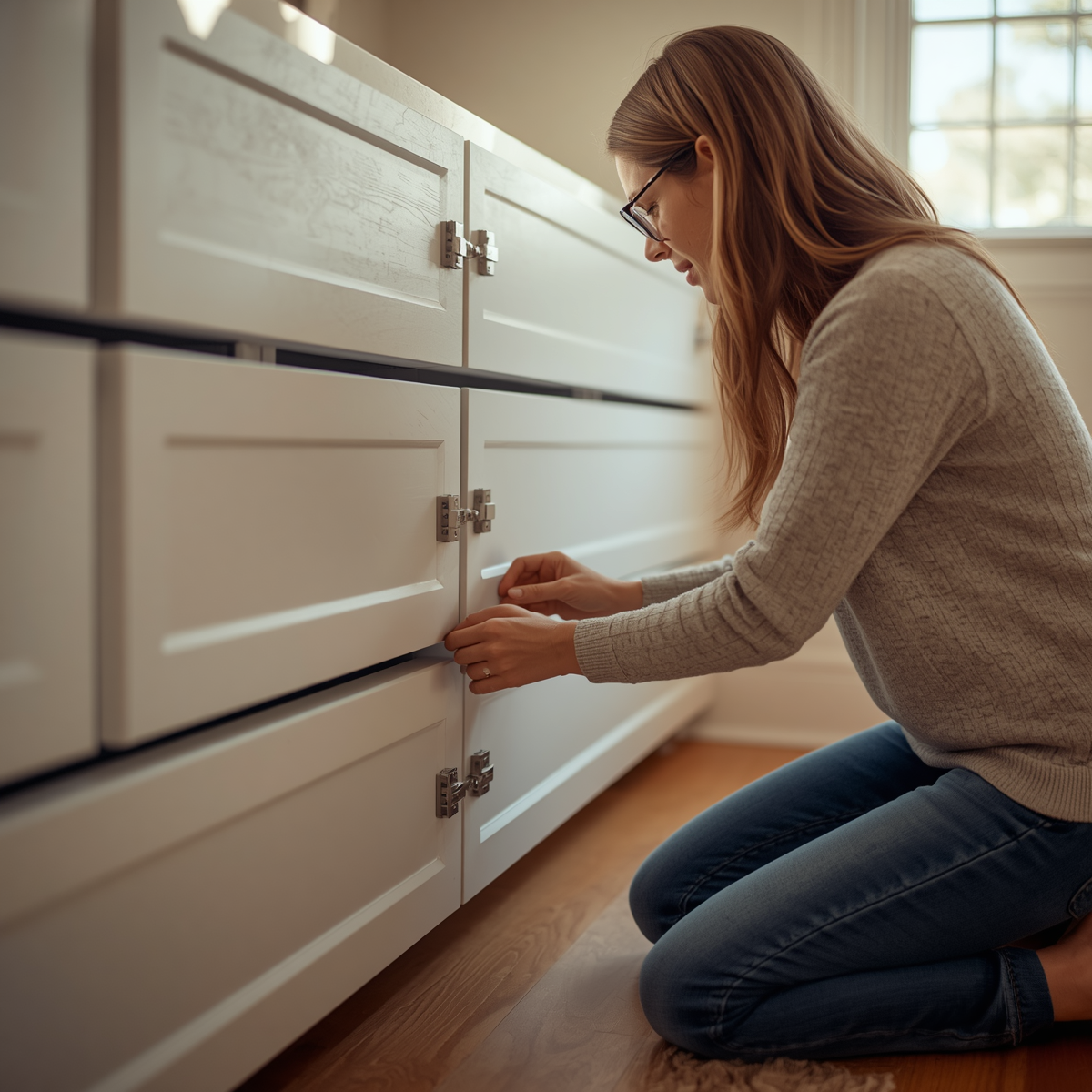
Babyproofing kitchen cabinets with child safety locks.
Babyproofing Cabinets, Babyproofing Drawers, and Dangerous Household Items
The kitchen and bathroom contain many of the biggest safety risks inside a home.
Babyproofing cabinets keeps cleaning chemicals, medications, knives, glassware, and other hazardous items out of reach.
Install hi-quality cabinet locks on lower storage areas and move dangerous products to higher shelves.
Babyproofing drawers deserve equal attention. Curious toddlers enjoy opening every drawer they find. If something is in there that sparks attention, better believe they’ll go for it.
Secure drawers containing scissors, matches, batteries, plastic bags, and sharp utensils. Locking devices designed for your drawer style are the best route. Test each one regularly to confirm proper operation.
To keep your home safe for your little one, make checking locks a regular part of your routine. Every few weeks is a safe bet.
As your child grows, they'll get stronger and more curious, so stay on top of things.
Notice if they are getting into things they didn’t used to.
A lock that's working fine now can still stop working properly after a while. If it's been used a lot over several months.
Replacing worn babyproofing supplies before failure maintains a safe environment for children throughout every stage of growth and development.
RELATED: 30 Day Gentle Parenting Guide
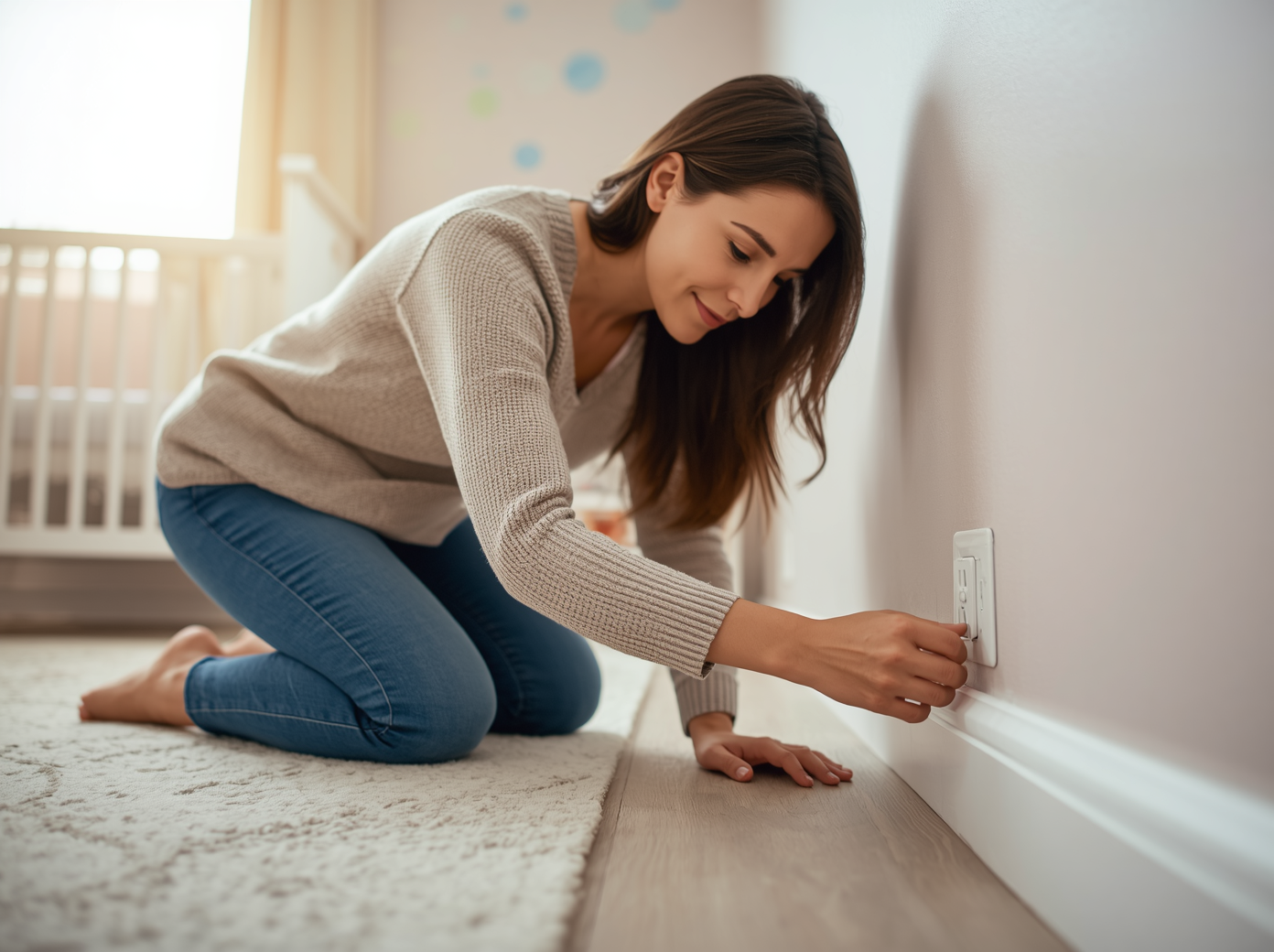
Parent installing outlet covers in a nursery.
Outlet Covers and Electrical Safety Matter Every Day
Electrical outlets can be really tempting for little ones, especially when they're crawling around and everything is at their eye level.
That's why it's so important to have good outlet covers. They help prevent electrical shock by keeping tiny fingers from getting into the live outlets.
When it comes to keeping your little ones safe, pick outlet covers specifically made with child safety in mind.
These are way better than those temporary plastic caps that older toddlers can easily pop off.
A complete babyproof inspection includes power strips, extension cords, charging cables, and appliance cords.
Secure loose cords behind furniture whenever possible.
Keep electrical devices away from sinks, bathtubs, and other water sources.
Avoid overloaded outlets and damaged cords. Pets can chew cords to expose dangerous wiring.
Replace worn electrical equipment immediately.
When you're going through your babyproofing checklist, make sure to check every outlet cover to confirm they're installed correctly and still secure.
These small checks can make a big difference in keeping your kids safe every day to grow and play.
Babyproofing Supplies Worth Buying First
New parents often feel overwhelmed by the number of available babyproofing supplies. Start with products addressing the highest risks first.
Cabinet locks, drawer locks, outlet covers, furniture anchors, corner guards, safety gates, window cord winders, and toilet locks belong top of every shopping list.
Select babyproofing supplies tested by recognized safety organizations whenever possible.
Read product instructions carefully before installation.
When things aren't set up right, they don't work as well. That can make people feel safer than they really are.
Every home is unique. That means every plan to babyproof it will be too.
If you've got stairs in your house, you'll need to get some strong safety gates to block off the way.
Having big windows at home can be nice, but it's also important to think about safety. Window guards make sure blind cords are secure.
Update your babyproofing checklist after each purchase so every improvement receives proper attention and regular inspection.
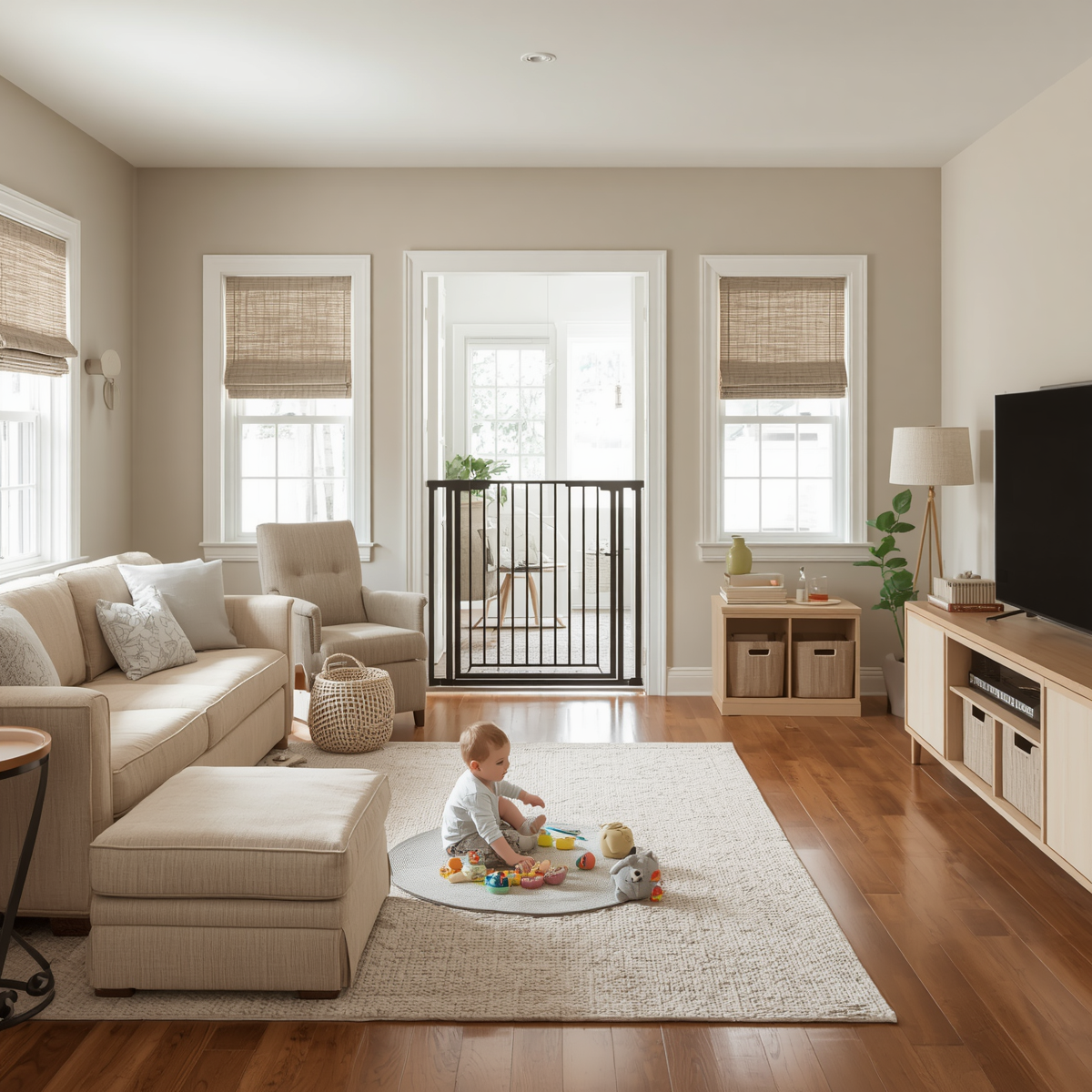
Safe living room designed for young children.
Babyproof Daily Through Supervision and Smart Habits
No product replaces active supervision. The strongest cabinet lock still fails if hazardous products remain within reach after use.
Babyproof routines succeed because parents build safe habits every day.
Keep hot drinks away from table edges. Turn pot handles toward the back of the stove.
Store plastic bags, coins, button batteries, and choking hazards in locked storage.
Close safety gates after walking through them. Check floors for small objects before allowing your child to crawl.
Continue babyproofing your home as your child develops new abilities. Rolling becomes crawling. Crawling becomes climbing. Climbing begins to pose more risks.
Every milestone introduces new dangers.
Review your babyproofing checklist every few months and adjust your strategy to match your child's growing skills.
This helps make sure kids are safe when they're little, and it keeps happening to make things even safer for them.
A Gentle Parenting Guide Includes Safety and Prevention
A gentle parenting guide focuses on connection and teaching while abiding by a safe approach.
Exploration and imagination center around these premises. Parents can create spaces where these ideas flourish.
Remove unnecessary dangers before they become a problem. Babyproof living areas with toys that are age appropriate.
And create open spaces for movement.
Making sure the dangers are in high, hard to reach areas.
You can let kids play with the things in the lower cabinets that are okay for them to use. As long as someone is always watching them.
Making sure kids can't get into drawers with sharp things in them increases safety and lets them learn to do things on their own in other ways.
RELATED: 30 Day Gentle Parenting Guide
This approach supports proper development and reduces stress for both parent and child.
Babyproofing your home becomes more than a collection of locks and gates.
Babyproofing creates daily routines supporting confidence, learning, and an environment for children to flourish.
Many families following a gentle parenting guide find fewer conflicts because the home itself is primed for safe exploration.
Your Baby’s Safety Starts with You
Every parent wants a home where children learn, play, and grow with confidence.
A thoughtful babyproof strategy begins with careful planning, quality babyproofing supplies, secure outlet covers, effective babyproofing cabinets, and reliable babyproofing drawers.
A practical babyproofing checklist reviewed throughout the year is recommended.
Babyproofing your home remains an ongoing responsibility because children develop new skills every month.
Start with one room today, complete each safety improvement, and continue building a safe environment for children where your family thrives.
To create a safer home, it's a good idea to look for practical advice and resources.
You can find helpful articles on the New Parent Steps website.
They have lots of information to guide you through the process.
By following their tips, you can feel more confident about keeping your home safe.
RELATED: Milestones in a Baby's Development During the First Year
