
How to Introduce Baby to Pets for a Safe Relationship

How to Introduce Baby to Pets
When you consider how to introduce baby to pets, preparation starts before the first meeting.
Routine changes benefit both your newborn and pets. Such as quieter feeding times and shorter play sessions.
Newborns and pets adjust better when daily patterns stay predictable.
Use scent swapping before the first face to face meeting. Place a baby blanket near the pet bed so the pet learns the new smell.
You want the pets to recognize the baby scent before contact.
Newborns and pets build trust faster through familiar cues.
Today we look at how to introduce baby to pets and build a loving friendship that lasts a lifetime.
Baby and Dog Meet for the First Time
Baby and dog safety starts with a leash and a seated adult.
When baby and dog meet, keep the dog at a distance and reward calm posture.
Supervise baby and pets every second during early meetings.
Lower the baby carrier to dog eye level for brief sniffs. Keep first contact timeframe short.
End the first session before excitement rises to prevent sudden jumps.
Teach the dog to sit and stay near the baby. Safety grows through clear cues and consistent praise.
Increase time slowly after the second and third meeting. Schedule the first meeting after a walk or play session.
Tired pets show calmer behavior so capitalize on low energy moments.
Newborn and pets respond best when the room stays quiet and bright.

Baby Meets Cat
Baby and Cat Safety When Baby Meets Cat in Shared Spaces
Baby and cat safety relies on escape routes. Provide shelves and rooms for the cat to retreat.
When baby meets cat, respect the cat space. Supervise baby and pets to avoid tail pulls.
Keep the bassinet and crib off limits to the cat. Baby and cat safety improves through boundaries.
When baby meets cat, offer treats away from the baby so the cat links the baby's presence with positive rewards.
Calm behavior should quickly become routine.
Trim cat nails and provide scratching posts. Baby and cat safety rely on minimizing the risk of scratches.
When baby meets cat again, praise gentle sniffing during floor time.
Pets and Newborn Safety Rules and Routines
Pets and newborn safety depends on structure. Set feeding and sleep schedules for newborn and pets.
Introduce baby to pets after the pet receives exercise. Safe baby and pet introduction thrives on routine.
Use baby gates to separate play zones. Pets and newborn safety improves when space stays defined.
Introduce baby to pets in short sessions, then end on a calm note.
Newborn and pets settle down more rapidly with predictable routines.
Teach older pets to wait before approaching. Introduce baby to pets while holding the baby high and secure.
Newborns and pets benefit from gentle voices and slow movements.
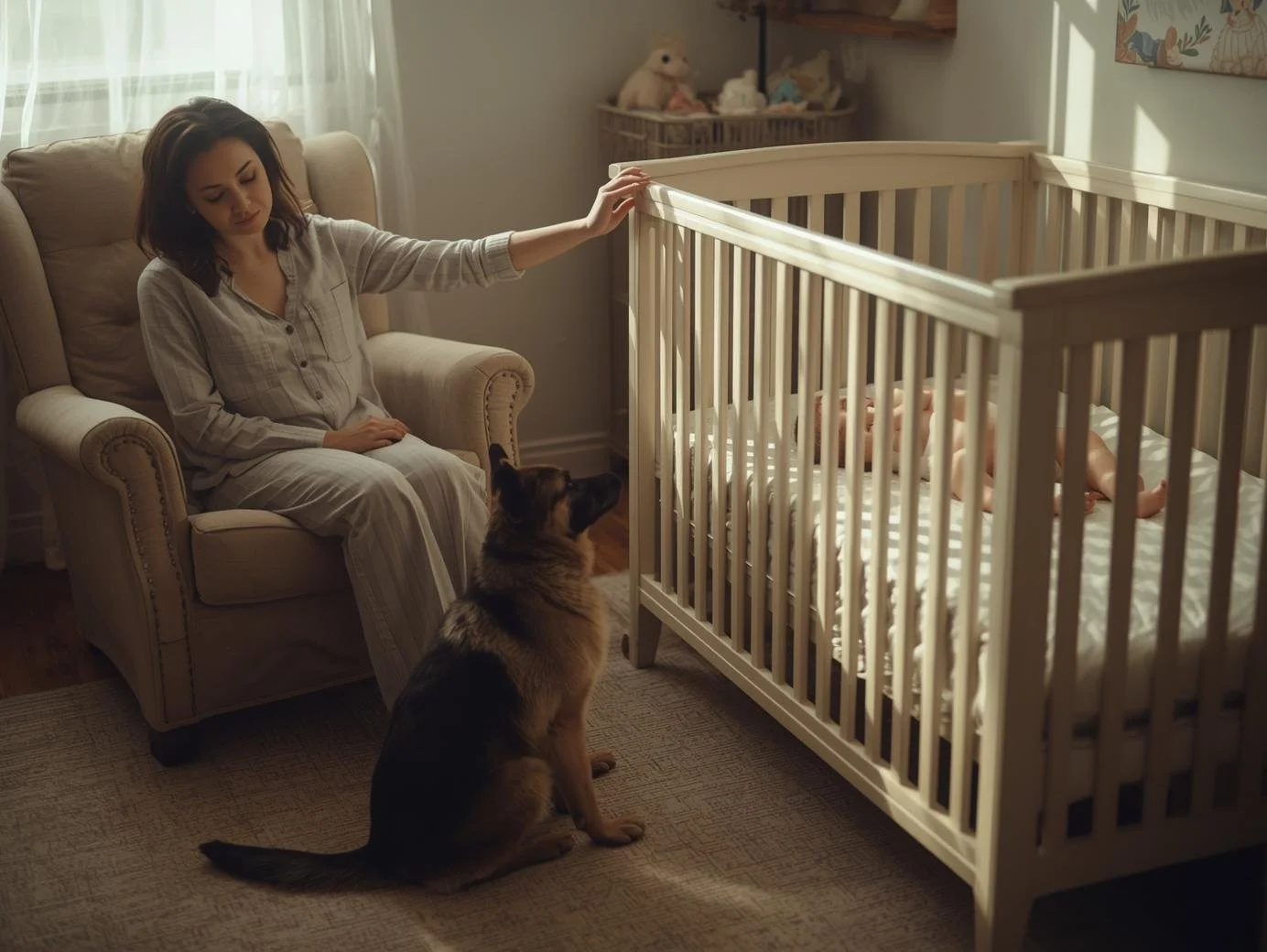
Newborns and Pets
Pet Proofing for Baby Reduces Risk in Every Room
Pet proofing for baby starts with your floors and furniture.
Remove small toys, bowls, and cords from reach to lower choking and tripping risks.
Supervise baby and pets even after proofing the room. No phone distractions.
Store litter boxes and food in gated areas. One benefit of pet proofing for babies is keeping germs away.
Pets and newborn safety progresses through clean zones during crawling practice.
Cover trash bins and secure corners and cabinets. Pet proofing for baby prevents mess and stress.
Newborn and pets move through the home with fewer hazards. Supervise baby and pets during playtime on rugs.
Supervise Baby and Pets to Build Trust and Prevent Fear
Supervise baby and pets during every shared moment. Safe baby and pet introduction relies on adult presence.
Introduce baby to pets with hands-on guidance. Newborn and pets read adult cues better than you’d think.
Watch for stress signs such as pinned ears, stiff tails, and yawning.
Baby and cat safety improves when adults redirect rough movement. End sessions on a positive note.
Safe baby and pet introductions will strengthen the bonds that will form in the future.
Introduce baby to pets again later for short and calm visits. Newborn and pets learn through repetition.
Pros and Cons of Introducing Baby to Pets
Pros include social learning, lower stress, and early empathy.
Research from the American Academy of Pediatrics shows early exposure to pets supports emotional development.
Experiences often build confidence when baby and dog meet. Baby meets cat moments often reduce fear.
Cons include scratches, bites, and allergies. Reduce bite risk through consistent training.
Baby and cat safety reduces scratch risk through trimming and space.
Pet proofing for baby reduces accidental hazards.
Balance comes from structure and supervision. Familiarity strengthens bonds.
Newborns and pets thrive in calm homes safely with patience and monitored training.
Emotional Concerns for New Parents
Worrying about injury feels natural. Safe baby and pet introduction eases fear through careful steps and support.
Introduce baby to pets slowly. Supervise baby and pets to regain confidence.
Guilt about divided attention can often appear. Newborn and pets both need care.
Pets and newborn safety improves when routines include the pet. Remember walks provide bonding time.
When wondering how to introduce baby to pets, remember fatigue challenges focus.
So ask another adult to watch the pet during feeds.
Supervise baby and pets when energy feels low. Baby meets cat during a time after rest is ideal.
Practical Solutions for Busy Days
Use leashes and carriers as your baby and dog gain more physical strength to maintain control.
Baby and cat safety improves with barriers. Supervise baby and pets during high energy periods.
Reward calm behavior and offer treats and praise to guide learning. Introduce baby to pets after exercise when tension is at its lowest.
Create zones with gates and pens to keep order. Pets and newborn safety using clear boundaries boosts positive reinforcement.
Supervise during transitions so no accidents occur.
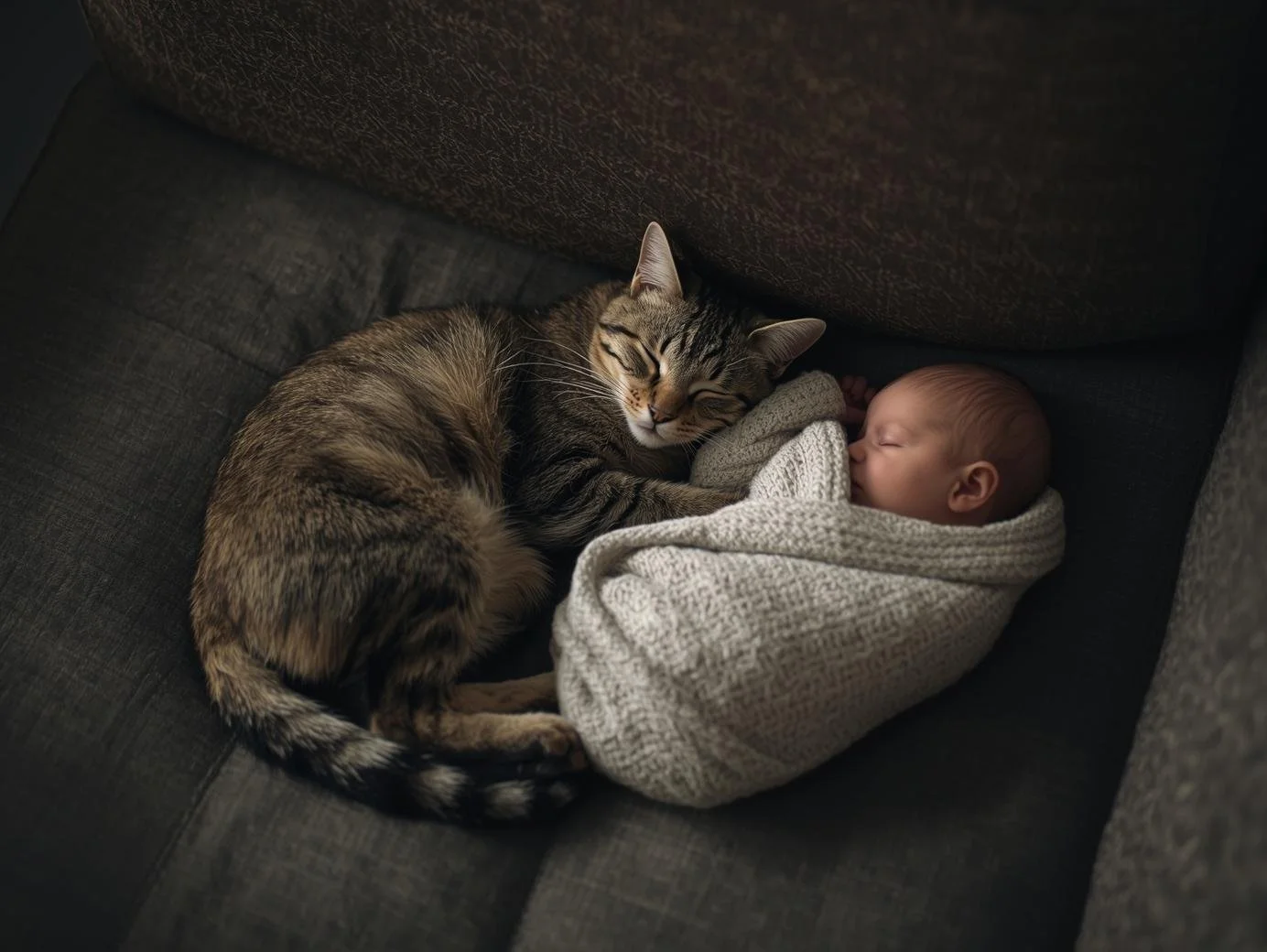
Baby and Cat Safety
Signs of Progress Through Curiosity
Calm sniffing, relaxed tails, and gentle curiosity show increased relaxation - a good sign.
After baby and dog meet or baby and cat meet, they will most likely fall into a loving friendship that lasts a lifetime.
Reduced barking and hiding also show comfort. Always a good thing when you see newborns and pets sharing space without tension.
Safe baby and pet introduction works when stress drops. Introduce baby to pets with confidence.
Shared naps nearby show trust. Maintain progress as comfort grows.
Pet proofing for baby continues to matter so don’t neglect this.
Common Introduction Mistakes to Avoid
Introduce baby to pets in stages. Supervise baby and pets without staring at your phone and getting lost in your apps.
Don’t try to rush things.
Don’t try to force hugs or kisses. A common mistake is forcing affection. When pressure and anxiety increases, accidents can happen.
Baby and cat safety thrives when it doesn’t feel forced. Stop rough handling to avoid heated escalation.
Don’t punish pets for their curiosity.
Newborns and pets learn through positive cues and reinforcement of those positive cues.
Pets and newborn safety improves when rewards are given. Pet proofing for baby prevents problems before they can arise.
Expert Tips Backed by Data
The CDC notes most bites happen during unsupervised contact. At all times keep focused attention on all interactions.
The ASPCA recommends gradual exposure with rewards.
Safe baby and pet introduction follows this approach. Introduce baby to pets with praise and treats.
Newborn and pets adjust with positive links.
The AAP supports early pet exposure for immune development. Pet proofing for baby supports health.
Safety fosters positive growth.
Pets Are Amazing Friends and Protectors
Now you know how to introduce baby to pets.
You want your home where your baby and a pet share space with no tension.
Safe baby and pet introduction builds this outcome with preparation, steady supervision and patience.
They’ll soon become best friends.🐶🐱
RELATED: How to Soothe a Teething Baby
References:
American Academy of Pediatrics. Infants and Pets. AAP Publications.
Centers for Disease Control and Prevention. Dog Bite Prevention. CDC.
American Society for the Prevention of Cruelty to Animals. Introducing Pets to a New Baby. ASPCA.
National Institutes of Health. Early Life Exposure to Pets and Allergy Risk. NIH.
